Electrical Safety at Home in Tallinn: 7 Warning Signs & When to Call an Electrician
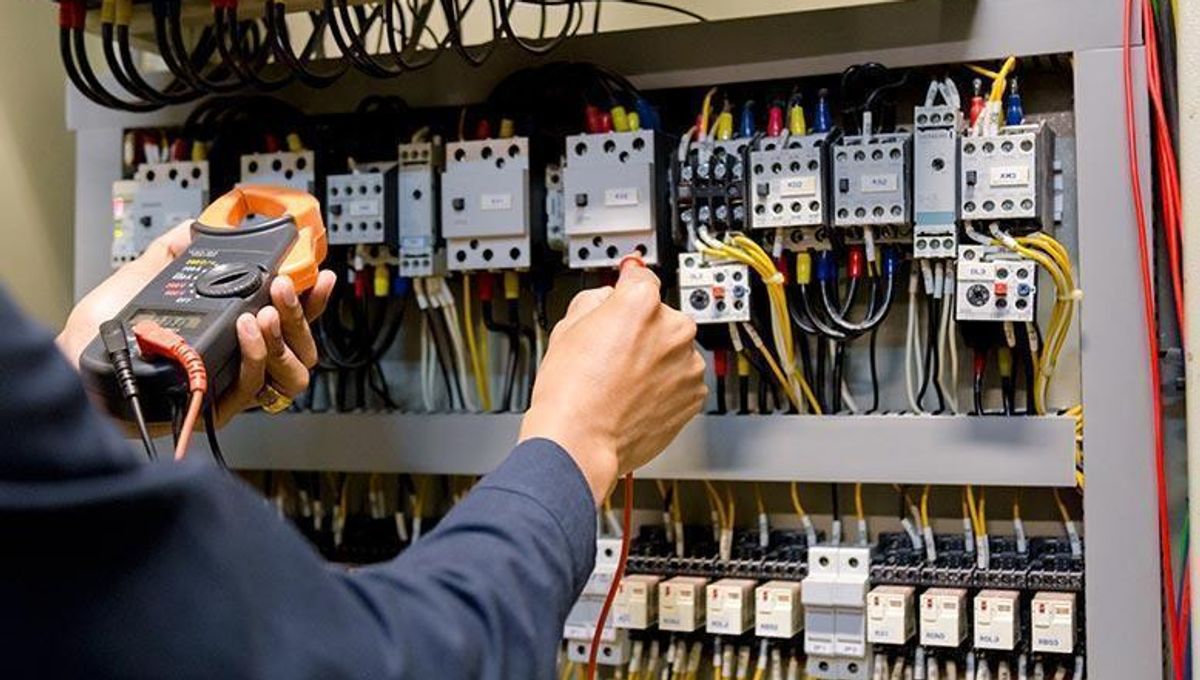
Estonia's housing stock contains a significant proportion of Soviet-era wiring — aluminium conductors, outdated fuse boxes, and undersized circuits. Combined with modern high-draw appliances, this creates genuine fire risk. These seven signs mean you need a certified electrician — not a YouTube tutorial.
1. Circuit Breakers or Fuses That Trip Repeatedly
A breaker that trips once when you plug in a large appliance may indicate an overloaded circuit. A breaker that trips regularly without explanation signals a short circuit, ground fault, or an overloaded panel. Resetting repeatedly without finding the cause is dangerous — call a licensed electrician.
2. Flickering or Dimming Lights
Occasional dimming when a major appliance starts is normal. Persistent flickering — especially in multiple rooms or when nothing changes — indicates loose wiring, a failing connection, or an overloaded neutral. Loose connections arc and cause house fires. This is urgent.
3. Burning Smell from Outlets or Switch Plates
A burning smell from any electrical fitting is an immediate emergency. Stop using that outlet or switch. The smell indicates arcing, melting insulation, or a smouldering connection inside the wall. Turn off the breaker for that circuit and call an electrician today — do not wait.
4. Outlets or Switches That Are Warm or Hot to Touch
Outlets and switches should never be warm. Heat indicates excessive resistance from a poor connection or overloaded wiring. In Tallinn's older apartment blocks, aluminium wiring from the 1970s–1980s is particularly prone to this problem as aluminium expands and contracts, loosening connections over time.
5. Sparks When Plugging In
A tiny blue spark when plugging in a high-draw device is sometimes normal (capacitors charging). A large, yellow, or recurring spark is not normal. It indicates a loose wire, a failing outlet, or a short circuit. Replace the outlet immediately.
6. Electrical Shocks from Outlets or Appliances
Even a mild tingle from touching an appliance or outlet indicates a ground fault — electricity flowing through an unintended path, potentially through you. This is both a shock hazard and a fire hazard. The circuit needs immediate inspection.
7. Fuse Box or Consumer Unit Over 25 Years Old
In Estonia, consumer units from the Soviet period (up to 1991) and even early 1990s units often lack RCD (residual current device) protection — the device that prevents fatal electric shock. Modern Estonian building code (EVS 812) requires RCD protection in all new and renovated installations. Upgrading an old panel is a safety investment, not an optional upgrade.
Electrical Work in Estonia: Legal Requirements
Under Elektriohutusseadus (Electrical Safety Act), electrical installation work in Estonian dwellings must be carried out by a licensed Competent Person (pädev isik). Work performed without a licence voids building insurance, creates liability when selling the property, and is a criminal offence if it causes injury.
TorudeAbi24 Certified Electricians in Tallinn
All TorudeAbi24 electricians hold current Estonian Pädev Isik certification. We handle fault diagnosis, full rewiring, consumer unit upgrades, RCD installation, and 24/7 emergency electrical call-outs across Tallinn and Harjumaa. Free quote, 2-year warranty, -30% on day rates. Call +372 56 89 79 29.